

Saigon
- mgbreslin
- Feb 13, 2024
- 3 min read
Officially named Ho Chi Minh City, but referred to by most locals as Saigon, Vietnam's largest city is home to almost 10 million inhabitants. It's a sprawling metropolis split into several districts, but our apartment location in District 1 appears to be at the heart of things, with the balcony giving us an excellent view upon our evening arrival.

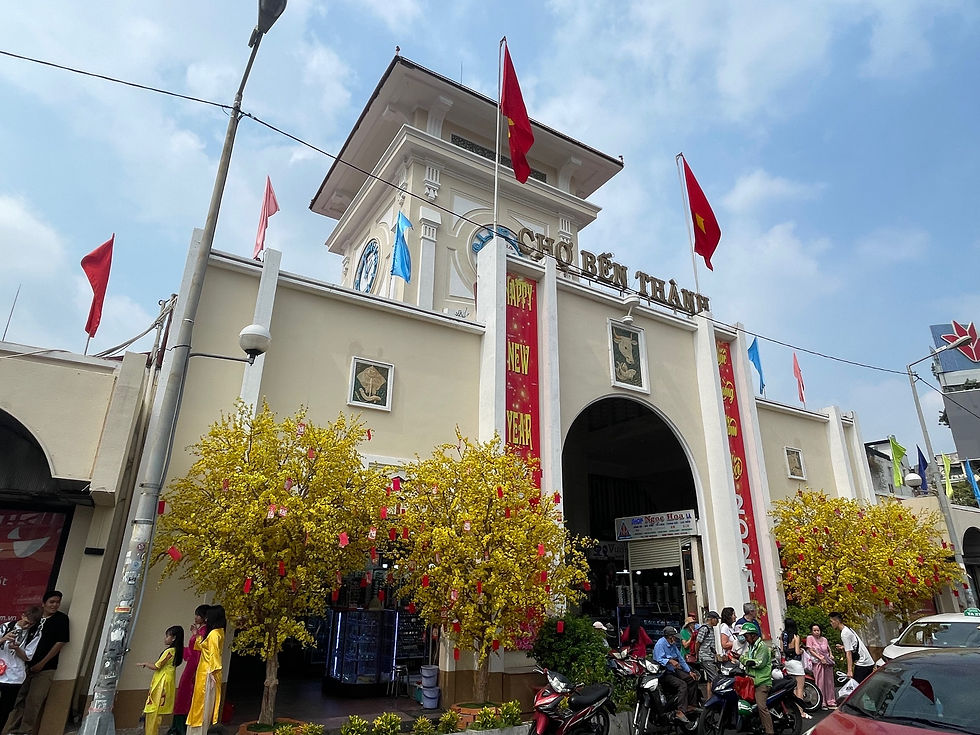
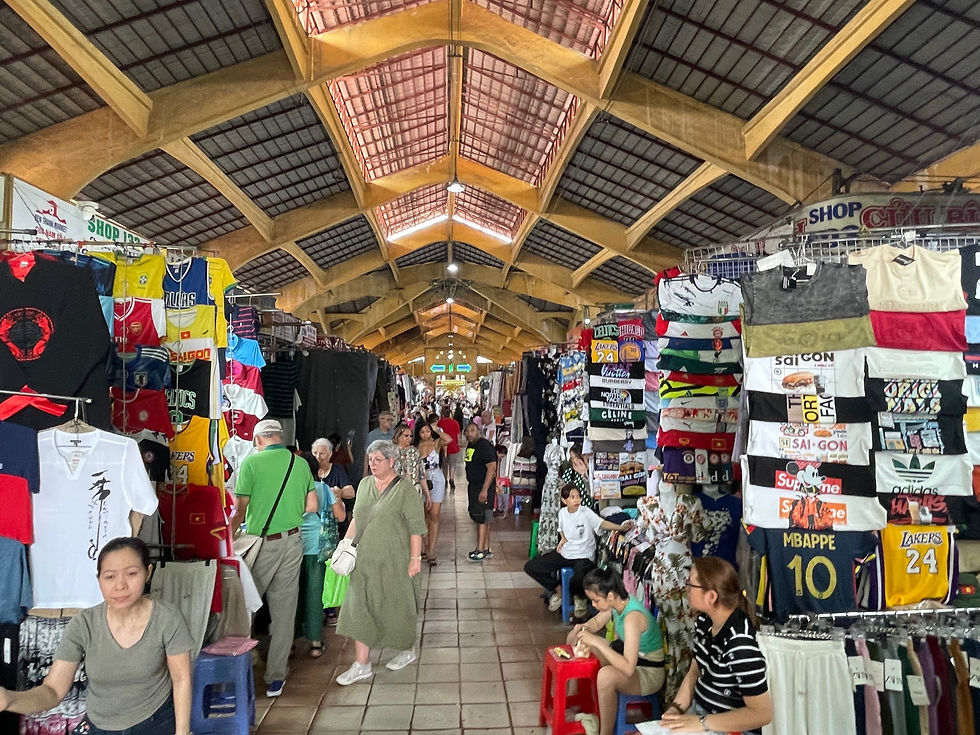
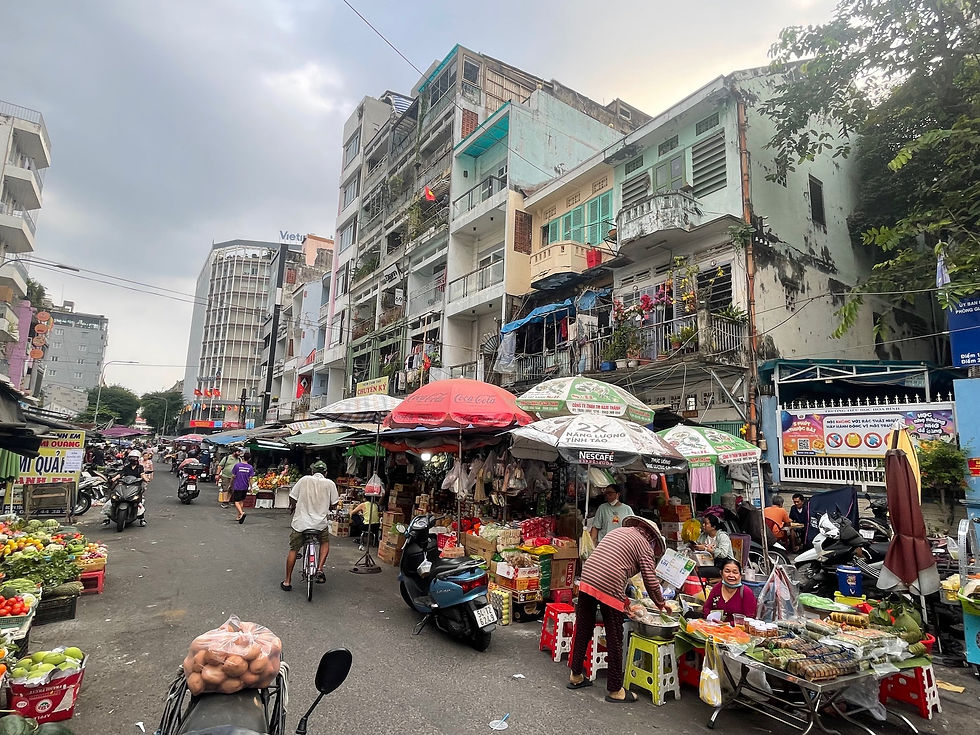
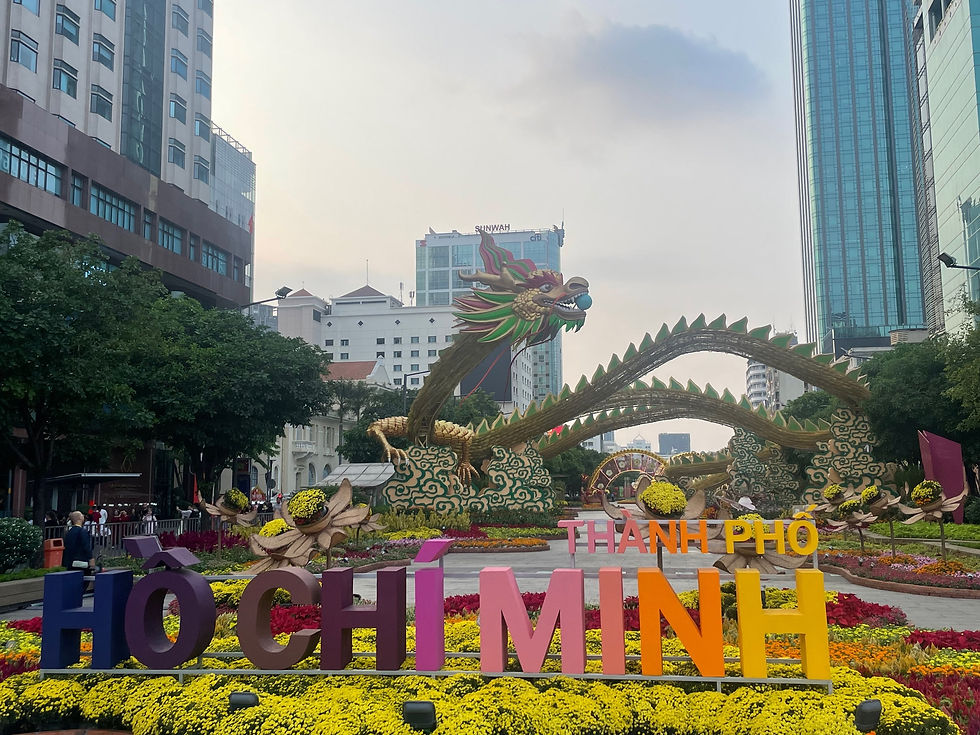
The following day, we head firstly for the Ben Thanh market, a renowned large market hall crammed with stalls offering everything from clothing to fresh(ish) fish. It's the last trading day before 'Tet', the week-long public holiday to celebrate the Lunar New Year, so vendors are eager to make sales before the city practically shuts down. We escape the chaos (and rising temperatures) for some lunch, before strolling down to the edge of the Saigon river, where families have gathered to get their photos taken in front of the lavish dragon-themed Tet decorations. We are happy we have visited during the year of the Dragon, as you just sense that the Sheep motif would be less visually impressive!
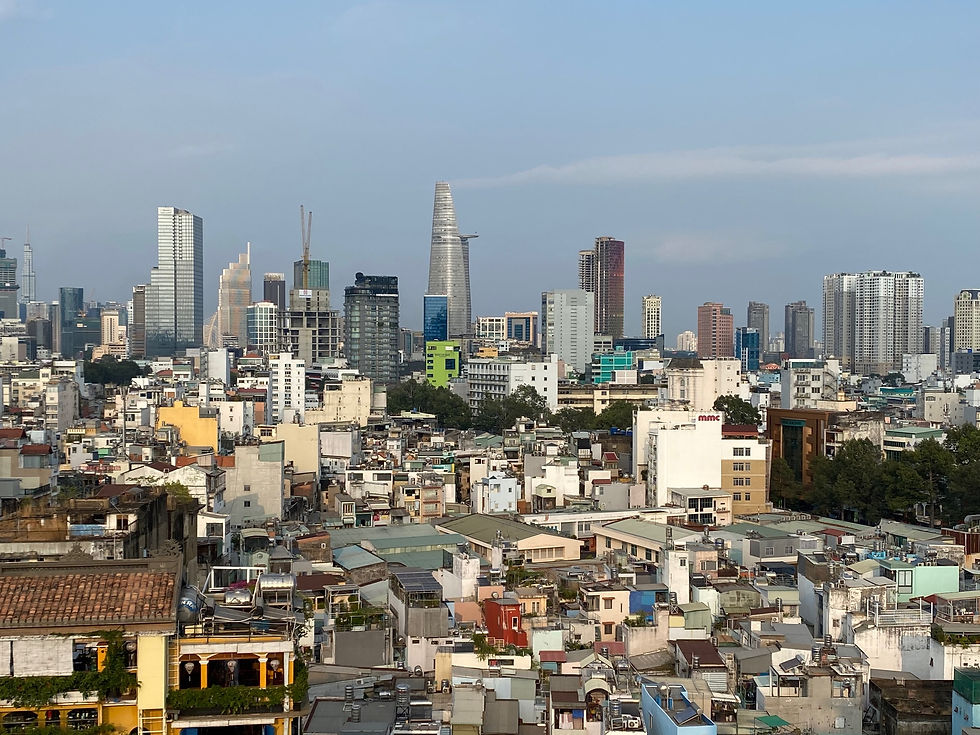

As the sun prepares to make way for the evening, we head up to the observation deck of the Bitexco Financial Tower, from where we get 360 degree views of the city. Thanks to the smog and haze however, we are denied a dramatic sunset!


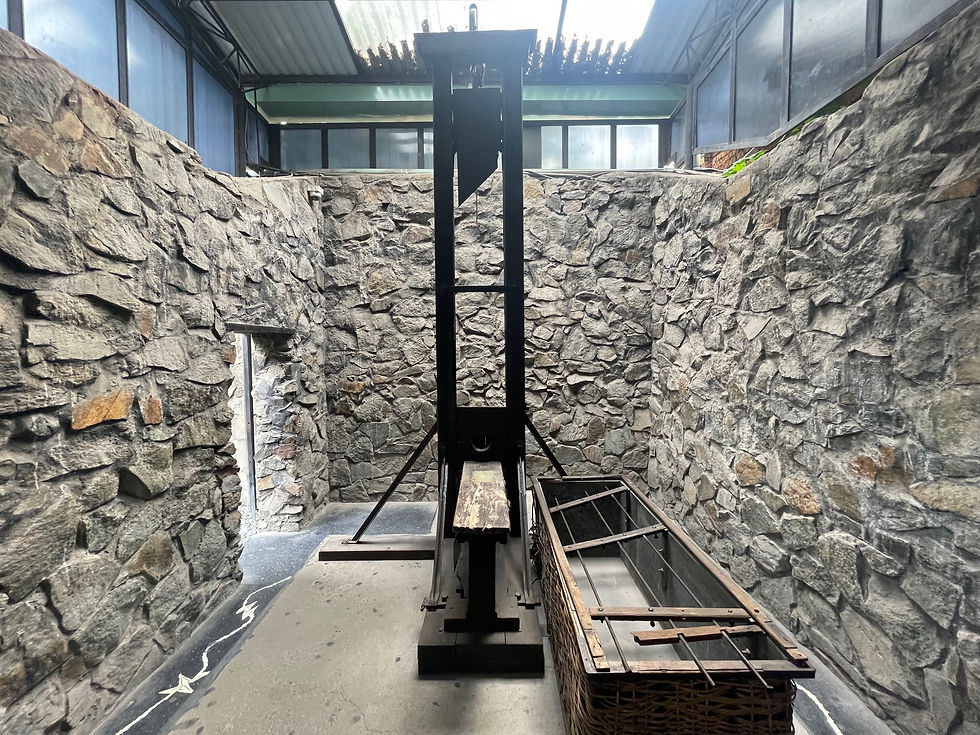
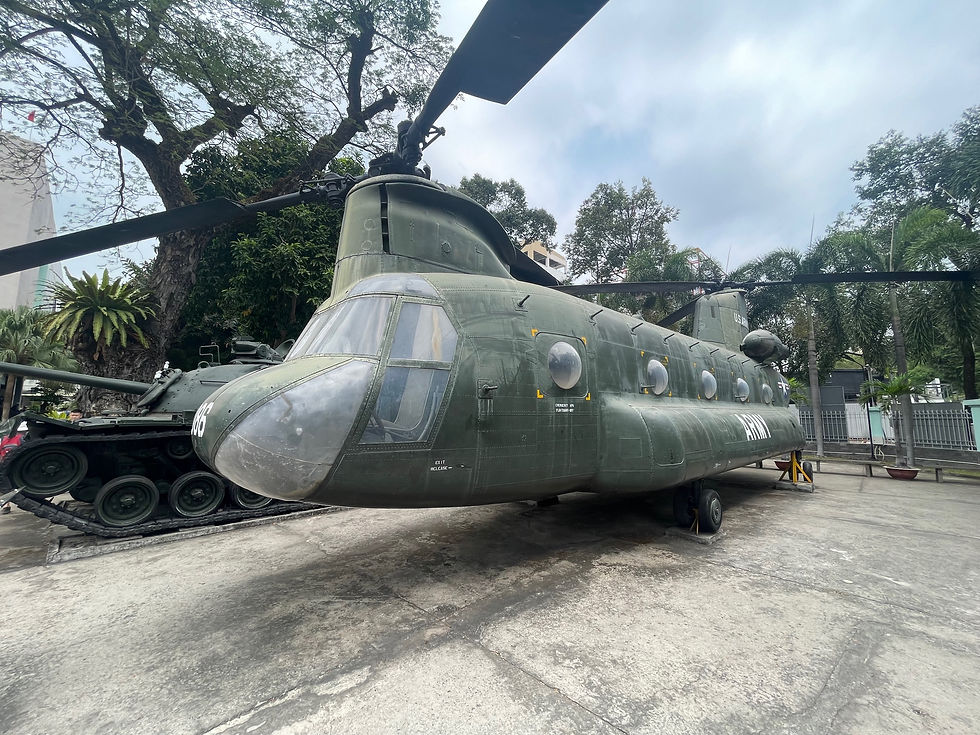
Key museums thankfully remain open during the Tet holiday, so the next morning we visit the War Remnants Museum, which covers the brutality of the country's war history, from horrific prisoner treatment and war crimes to the impact of Agent Orange. Artefacts include the tiger cages used for prisoners during the Vietnam War, a guillotine from the French colonial period, and several U.S. military aircraft and tanks that were abandoned during the American evacuation of Saigon. Together with detailed accounts from survivors and harrowing images, it makes for a sobering experience, but one that helps to improve our understanding of Vietnam's war history.


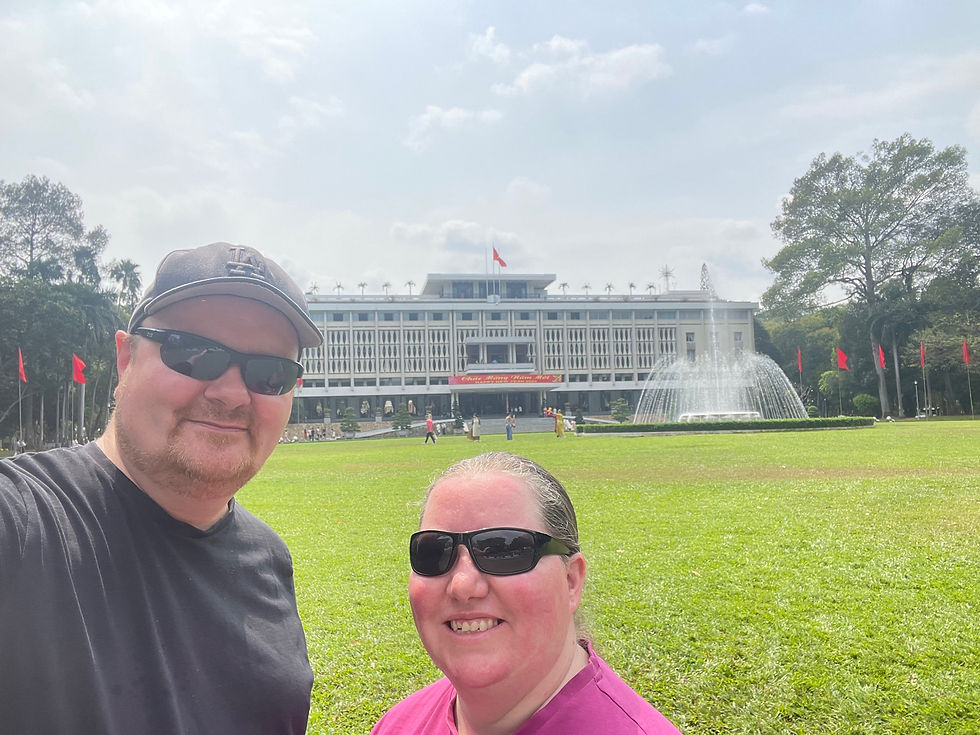
Not far from the War Remnants Museum lies the Independence Palace. This was the residence of the President of South Vietnam before the North's tanks burst through the gates in 1975. The current structure was actually only built in 1966, replacing the more attractive colonial style building that had stood in its place. Despite the exterior resembling a drab administration building, the interior is impressive, with spacious hallways and large state rooms, not to mention a games room and cinema! Some of these rooms served as the command centre for the South's war effort. In the gardens, there are replicas of those tanks that symbolised the end of the war and of the Huey helicopters that were used for the evacuation from the rear.

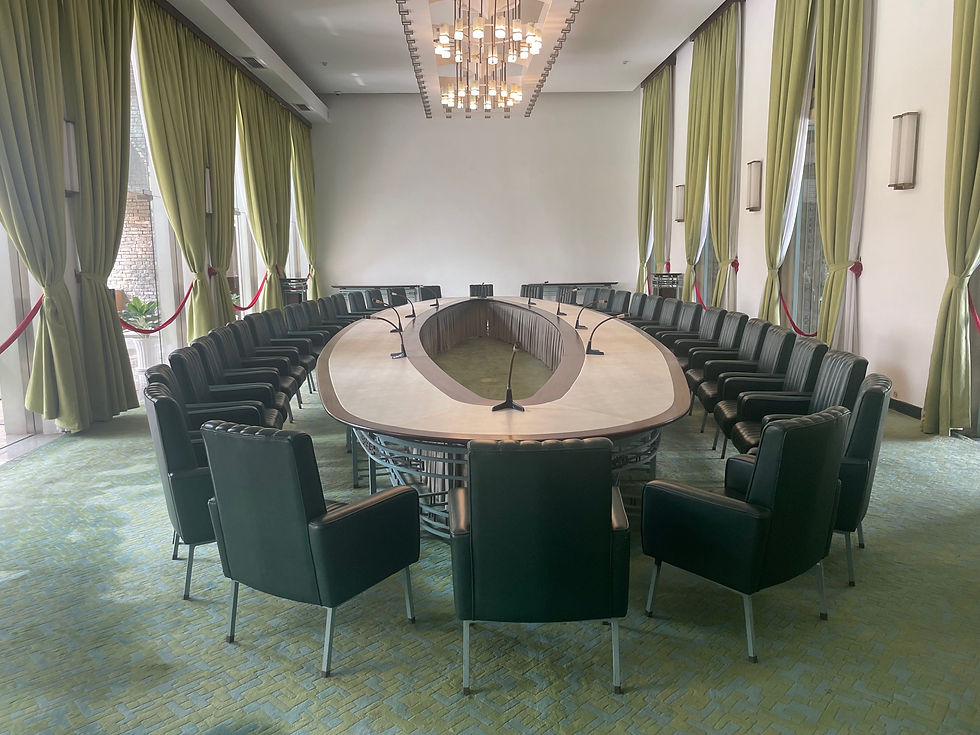

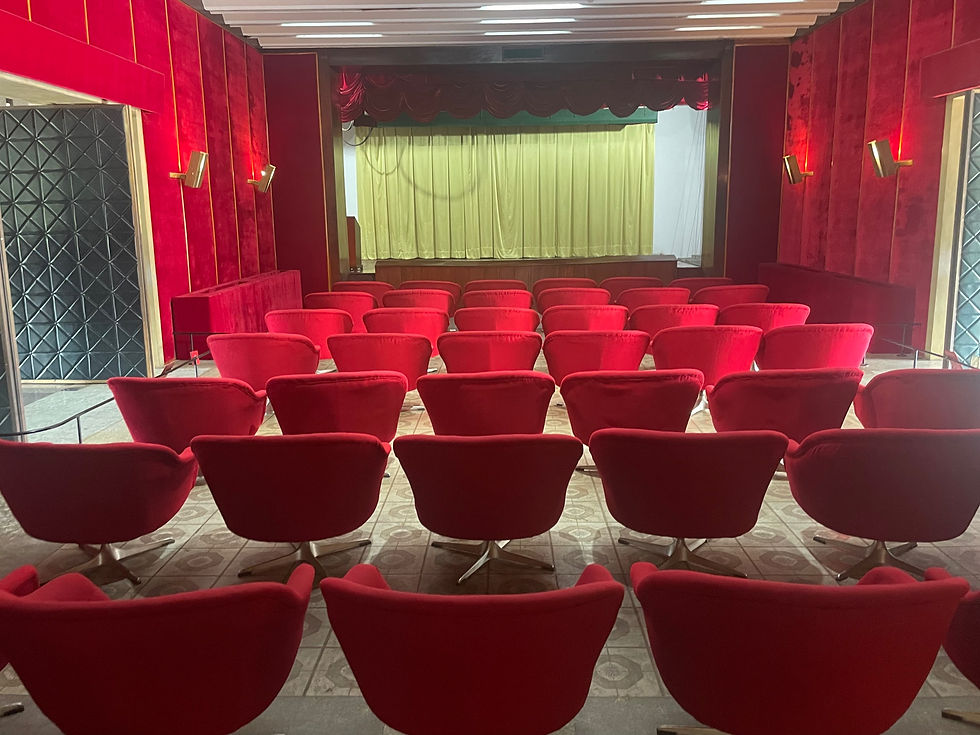

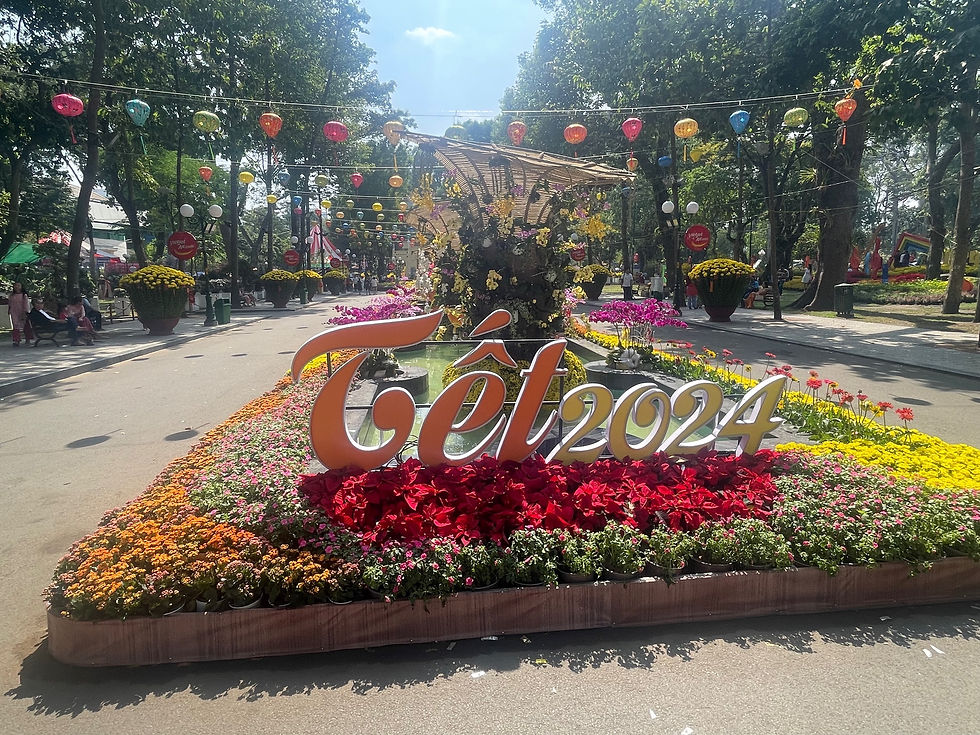
Following our day trip outside the city (see following post), I spend the Lunar New Year's Day strolling around some of the city's parks. After enjoying walking through the strangely quiet and peaceful streets near our apartment, I find plenty of life at the Tao Dan Park, where a Tet festival is taking place, allowing families more colourful photo ops. I proceed through this to the Notre Dame cathedral (under restoration), the Eiffel-designed Central Post Office and finally the City Hall, before which stands a statue of Ho Chi Minh himself.


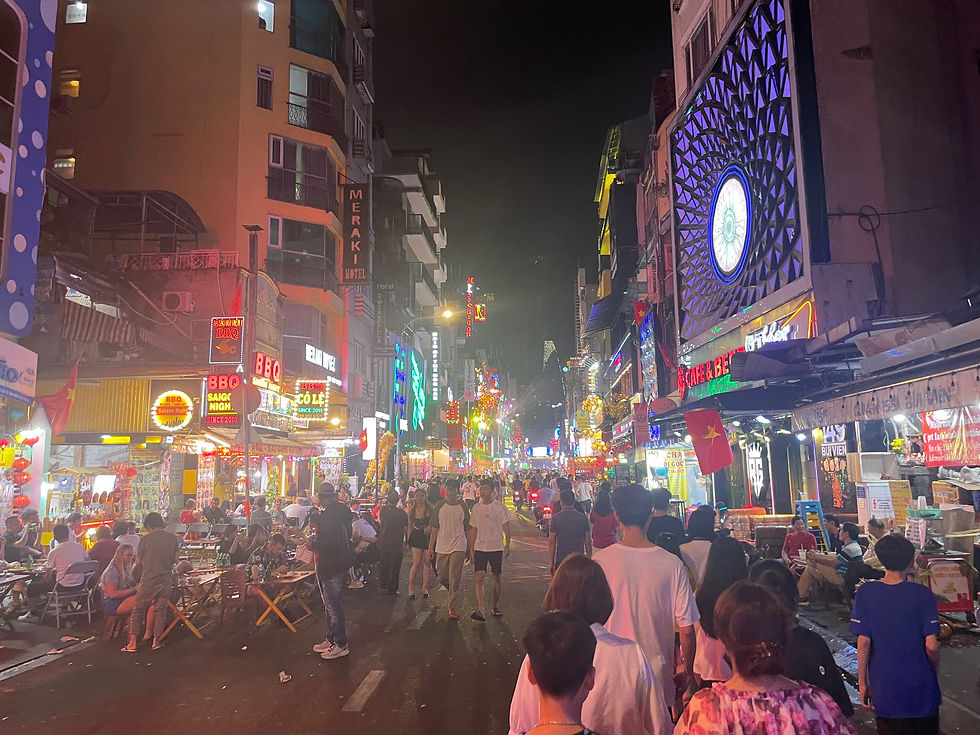
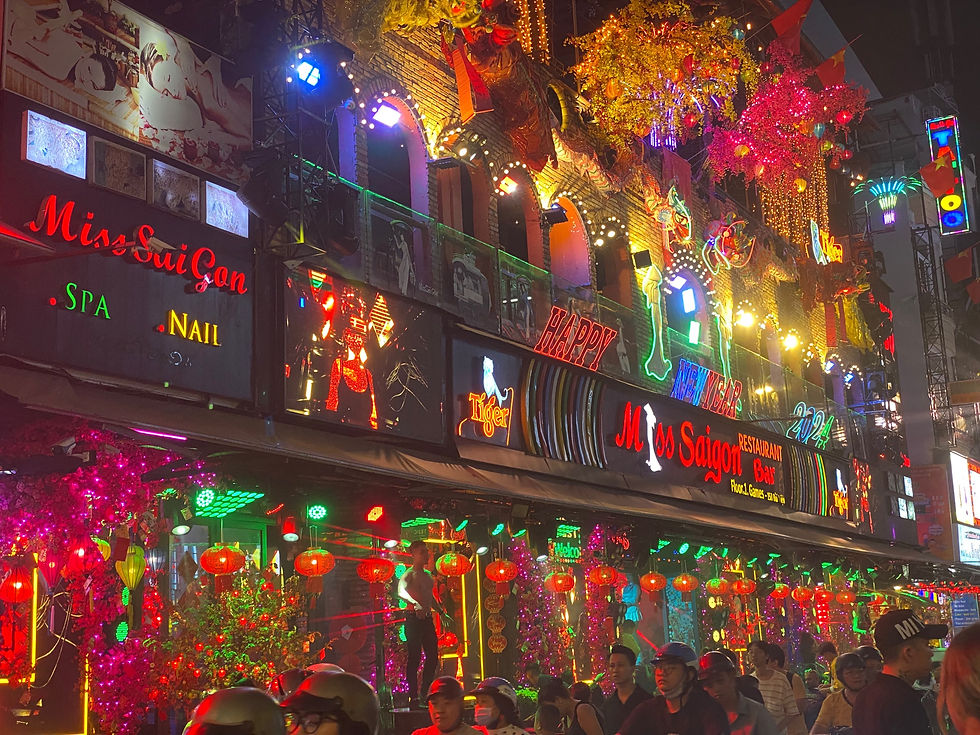
As darkness settles on our last night in mainland Vietnam, we venture to the lively Bui Vien street. After a decent Indian meal, we stroll briefly through the Vegas-esque atmosphere before retreating back to base to prepare for our morning flight to the island of Phu Quoc.



Comments